In Arizona, summer doesn’t just mean pool parties and barbecues — it means increased risk.
Drowning is one of the leading causes of accidental death for children ages 1–4, and Arizona consistently ranks among the highest states for child drownings. Add extreme summer heat to the equation, and families face a serious seasonal safety threat.
That’s why Drowning Impact Awareness Month matters. It’s not just about statistics. It’s about prevention, preparation, and protecting the people you love.
Let’s break down what every Arizona family needs to know.
The Reality of Childhood Drowning in Arizona
Drowning is:
- Fast
- Silent
- Preventable
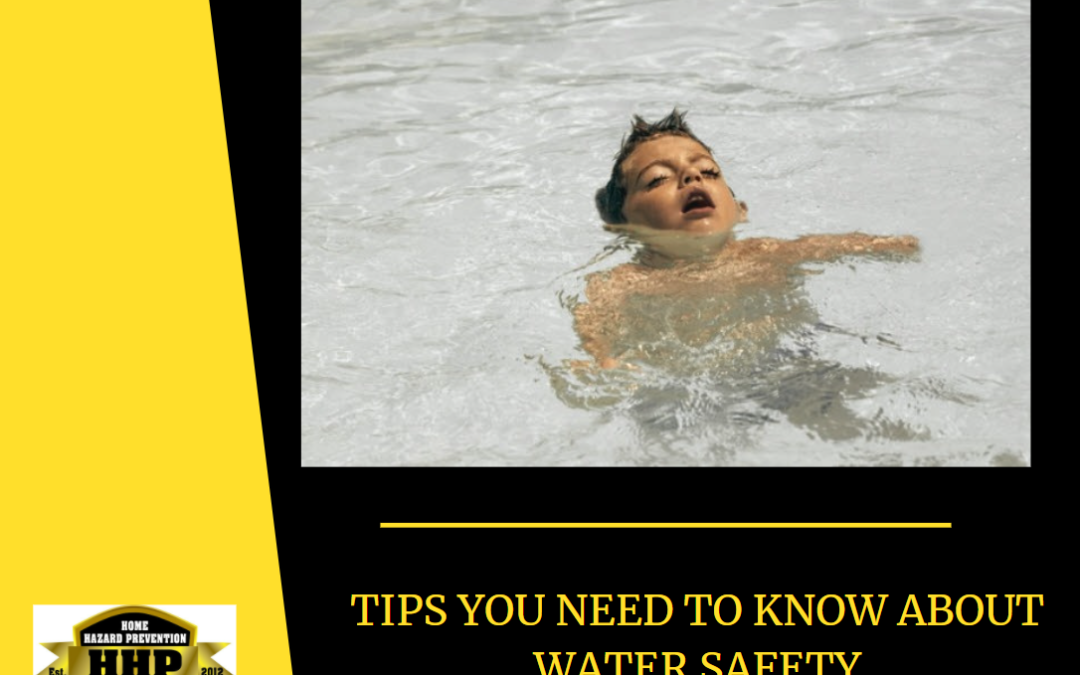
It doesn’t look like splashing or yelling like in the movies. Most victims cannot shout for help because they’re struggling to breathe.
In many cases:
- An adult was nearby
- The child was missing for less than 5 minutes
- There was no designated watcher
That’s why prevention must be intentional.
Layered Protection: The Key to Preventing Childhood Drowning
No single solution is enough. The most effective approach uses multiple layers of protection.
1. Designate a Water Watcher
At every gathering, assign one adult whose only job is watching swimmers.
Water Watcher rules:
- No phone
- No alcohol
- No distractions
- Rotate every 15–30 minutes
- Stay within arm’s reach of young children
Never assume “someone else” is watching.
2. Install Proper Pool Barriers
Arizona law requires pool fencing for good reason.
Essential protections include:
- 5-foot minimum isolation fence
- Self-closing, self-latching gates
- Door alarms
- Pool covers when not in use
Barriers buy time. Supervision saves lives.
3. Enroll in Swim Lessons
Formal swim lessons help children:
- Learn to float
- Control breathing
- Develop water confidence
- Improve survival skills
But remember — swim lessons do not replace supervision.
Recognizing the Silent Signs of Drowning
Real drowning looks like:
- Head low, mouth at water level
- Head tilted back with mouth open
- Glassy or unfocused eyes
- Vertical body with no kicking
- Trying to “climb” an invisible ladder
If you see these signs — act immediately.
Call 9-1-1.
Remove the victim safely.
Begin CPR if they are not breathing.
Every second counts.
Beating the Arizona Heat: Hidden Dangers Beyond the Pool
Arizona summers regularly exceed 105–115°F. Heat adds another layer of risk, especially for children and older adults.
Heat-related emergencies include:
- Heat exhaustion
- Heat stroke
- Dehydration
- Burns from hot surfaces
Smart Heat Safety Tips
- Hydrate frequently (don’t wait until thirsty)
- Schedule outdoor activities early morning or evening
- Use shade and sunscreen
- Never leave a child in a vehicle — even for a minute
- Test playground equipment and pavement before use
- Take cooling breaks every 20–30 minutes
Heat illness can escalate quickly. Prevention is critical.
Why CPR Training Is Non-Negotiable for Arizona Families
When a drowning or heat emergency happens, professional responders are minutes away.
Brain injury can begin in 4–6 minutes without oxygen.
CPR:
- Circulates oxygen to the brain
- Doubles or triples survival chances
- Bridges the gap until EMS arrives
Knowing CPR turns panic into action.
It transforms bystanders into lifesavers.
Drowning Impact Awareness Month Is a Reminder — But Action Should Last All Year
Awareness means nothing without preparation.
Protect your family by:
- Assigning a Water Watcher
- Installing and maintaining proper pool barriers
- Enrolling children in swim lessons
- Practicing heat safety daily
- Learning CPR and First Aid
These steps are simple — but they save lives.
Be the Reason a Child Survives
You cannot supervise 100% perfectly.
You cannot control every situation.
But you can be prepared.
CPR training gives you:
- Confidence
- Competence
- The ability to act when seconds matter
Home Hazard Prevention provides firefighter-led, mobile CPR, AED, and First Aid training brought directly to your home, workplace, church, HOA, or small business.
Don’t wait for an emergency to wish you were trained.
Call or text Safety Nick today at 480-448-0266 to schedule your CPR training and make water and heat safety part of your family’s protection plan.
Because prevention starts with you.