How to Prevent Drowning and Save a Life
Water is a part of everyday life in Arizona—pools, lakes, splash pads, and bathtubs provide fun and relief from the heat. But water also presents one of the most serious and often underestimated dangers to children and families.
Drowning is fast, silent, and preventable.
The good news is that proper supervision, safety planning, and CPR training dramatically reduce the risk and improve survival if an emergency occurs.
At Home Hazard Prevention, we believe water safety and CPR knowledge are essential life-saving skills every family should have.
Drowning Happens Faster Than Most People Realize
Unlike what you see in movies, drowning is usually silent. There is no yelling, splashing, or warning. It can happen in less than 30 seconds.
Children can drown in as little as:
- A backyard swimming pool
- A bathtub
- A bucket
- A pond or lake
According to the Centers for Disease Control and Prevention, drowning is one of the leading causes of death for young children.
Most incidents occur during brief lapses in supervision—even when adults are nearby.
Constant, Active Supervision Saves Lives
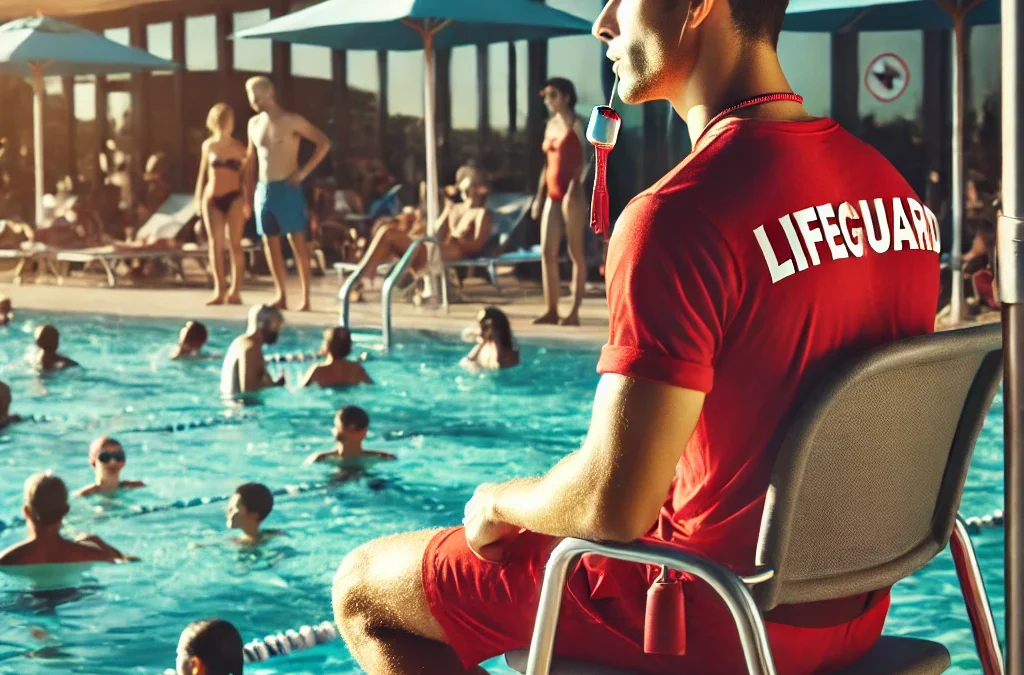
The single most important drowning prevention strategy is active supervision.
This means:
- Keeping children within arm’s reach near water
- Avoiding distractions like phones or conversations
- Assigning a designated adult to watch children at all times
- Never assuming someone else is watching
This person should be fully focused and able to respond immediately.
Drowning can happen quickly and quietly. Active supervision is critical.
Layers of Protection Prevent Tragedy
Water safety should never rely on just one precaution. Multiple layers of protection significantly reduce risk.
Essential water safety layers include:
Physical barriers
- Pool fences with self-closing, self-latching gates
- Locked doors leading to pool areas
- Pool covers when not in use
Supervision
- Active adult supervision at all times
- Designated water watcher
Swimming skills
- Age-appropriate swim lessons
- Teaching children water safety rules
Emergency preparedness
- CPR training
- Emergency action plans
Each layer adds protection and reduces the chance of tragedy.
Why CPR Training Is Critical for Families
CPR can double or triple a drowning victim’s chance of survival.
When drowning occurs, oxygen deprivation is the primary emergency. Immediate CPR restores oxygen to the brain and vital organs while waiting for emergency responders.
CPR training teaches you how to:
- Recognize drowning emergencies
- Provide rescue breathing
- Perform effective chest compressions
- Respond confidently in life-threatening situations
In a drowning emergency, every second matters.
Bystander CPR often determines survival.
What To Do If a Child Is Pulled From the Water
If a child is unresponsive after being removed from water:
1. Check responsiveness and breathing
If the child is not breathing normally, act immediately.
2. Call 911
Activate emergency medical services immediately.
3. Begin CPR
Start CPR until help arrives or the child begins breathing.
Immediate action can save a life and reduce brain injury.
Water Safety Applies Everywhere—Not Just Pools
Many families focus on pool safety, but drowning risks exist in many environments:
- Bathtubs
- Lakes
- Rivers
- Buckets
- Toilets
- Hot tubs
Never leave young children unattended near any water source—even briefly.
Preparation prevents emergencies.
Parents and Caregivers Must Be Prepared
Every parent, grandparent, babysitter, and caregiver should know:
- Water supervision rules
- Emergency response steps
- CPR and First Aid
Preparation turns bystanders into lifesavers.
You cannot predict emergencies—but you can prepare for them.
Protect Your Family With Professional CPR and Water Safety Training
Water safety education and CPR training give families the skills and confidence needed to prevent emergencies and respond effectively.
At Home Hazard Prevention, we provide professional, firefighter-owned CPR training designed specifically for families, caregivers, and communities.
This training can mean the difference between life and death.
Don’t wait until an emergency happens.
Call 480-448-0266 today to schedule CPR training and water safety education for your family.
Preparation saves lives. The life you save could be your child’s.
# # # # # # #
Safety Nick is a career firefighter and founder of Home Hazard Prevention, LLC — a firefighter-owned safety company serving the East Valley, including Queen Creek, Gilbert, Chandler, Mesa, and San Tan Valley. He provides hands-on mobile CPR training, AED guidance, smoke alarm services, and dryer vent cleaning to help families and businesses prevent emergencies before they happen.
With real-world emergency response experience, Nick brings firefighter-led training and home safety services directly to your location, making preparedness convenient and practical.
Don’t wait for an emergency to wish you were prepared.
Call or text 480-448-0266 to schedule mobile CPR training or home safety services in the East Valley today.
© 2012 – 2026.