Poison Prevention and Emergency Preparedness Every Caregiver Must Know
Choosing someone to care for your child is one of the most important safety decisions you will ever make. Whether it’s a babysitter, nanny, daycare provider, or family member, caregivers must be prepared not only to supervise—but to prevent emergencies and respond if one happens.
Every year, thousands of children are exposed to medications, cleaning products, and household toxins while under supervision. Most of these incidents are preventable with proper caregiver screening, education, and preparation.
At Home Hazard Prevention, we believe childcare safety starts with knowledge, preparation, and prevention.
Why Caregiver Safety Preparation Matters
Children are naturally curious. They explore their environment without understanding risk. Everyday household items can be dangerous, including:
- Prescription medications
- Over-the-counter medicines
- Cleaning products
- Laundry detergent pods
- Button batteries
- Vitamins and supplements
Even a brief lapse in supervision can lead to a poisoning emergency.
According to the Poison Control system, children under age 6 account for nearly half of all poison exposure calls.
Prepared caregivers can prevent these incidents and respond quickly if they occur.
Essential Questions to Ask When Selecting Childcare
Before trusting someone with your child, ask specific safety-focused questions:
Emergency Preparedness
Ask caregivers:
- Do you know what to do if a child is poisoned?
- Do you have emergency numbers readily available?
- Are you trained in CPR and First Aid?
- Do you know when to call Poison Control versus 911?
Caregivers should demonstrate confidence and knowledge—not hesitation.
Supervision Practices
Ask:
- How do you supervise children during play?
- How do you ensure dangerous items remain out of reach?
- What is your routine for monitoring children continuously?
Active supervision is the best prevention tool.
Home Safety Awareness
If care occurs in the caregiver’s home, ask:
- Are medications locked away?
- Are cleaning products secured?
- Are batteries and small objects inaccessible?
- Are cabinets childproofed?
Environmental safety is just as important as supervision.
Every Caregiver Must Know Poison Control
All babysitters and childcare providers should have immediate access to Poison Control:
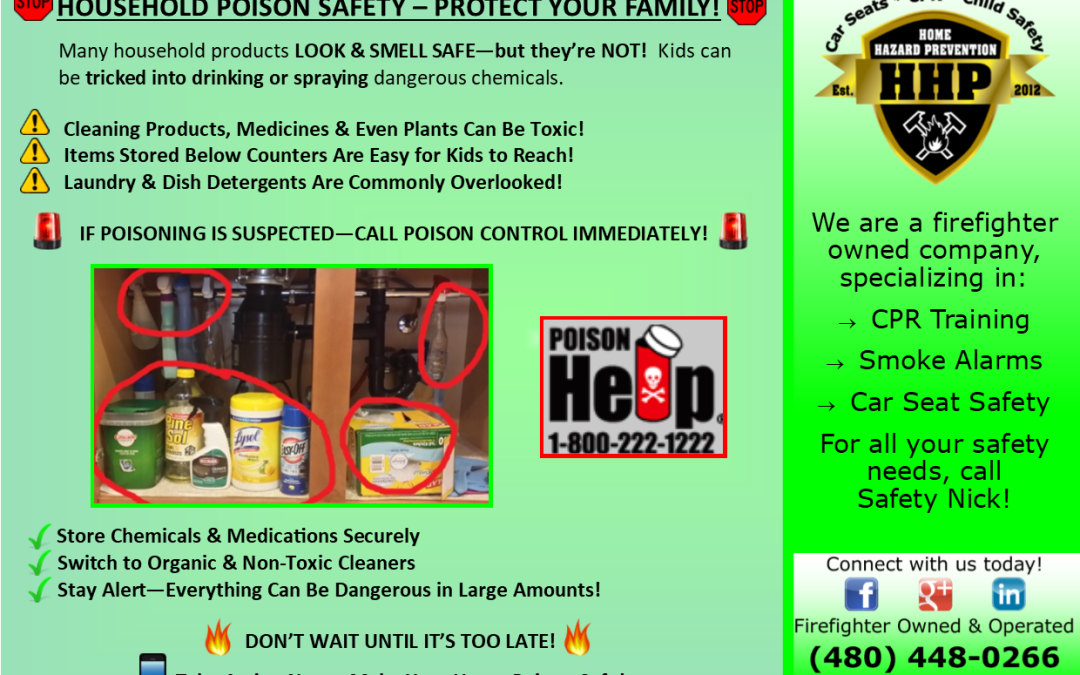
Poison Control: 1-800-222-1222
This number connects you directly to medical professionals 24/7.
Caregivers should:
- Save the number in their phone
- Know where it is posted in the home
- Understand when to call
Poison Control can help determine whether home observation or emergency care is needed.
When to Call Poison Control vs 911
Teach caregivers this simple guideline:
Call Poison Control if:
- A child may have swallowed medication
- A child ingested a household product
- A child was exposed to a chemical
- You are unsure if something is dangerous
Call 911 immediately if the child is:
- Unconscious
- Having trouble breathing
- Seizing
- Unresponsive
Fast action can save a child’s life.
Safety Steps Parents Should Take Before Leaving a Child with Any Caregiver
Parents should prepare caregivers for success by:
Providing Emergency Information
Create a visible emergency sheet that includes:
- Parent phone numbers
- Pediatrician contact information
- Poison Control number
- Home address
- Emergency contacts
Securing Dangerous Items
Before leaving, ensure:
- Medications are locked or out of reach
- Cleaning supplies are secured
- Alcohol is inaccessible
- Batteries are safely stored
Do not assume caregivers will automatically check these hazards.
Reviewing Emergency Procedures
Take five minutes to explain:
- Where emergency numbers are located
- Where first aid supplies are kept
- Any child-specific medical conditions or allergies
Preparation builds confidence and improves emergency response.
Professional Safety Training Makes a Difference
The safest caregivers are trained caregivers.
CPR, First Aid, and safety education give babysitters and childcare providers the ability to:
- Recognize emergencies early
- Respond correctly
- Stay calm under pressure
- Prevent injuries before they occur
Training transforms supervision into true protection.
Protect Your Child by Choosing and Preparing Caregivers Carefully
Most poisoning emergencies happen quickly and silently. Prevention and preparation are the best defenses.
Whether you are hiring a babysitter, selecting daycare, or relying on family members, safety education is essential.
Home Hazard Prevention provides professional safety education, CPR training, and home safety guidance to help families create safer environments for children.
Don’t leave your child’s safety to chance.
Call 480-448-0266 today to schedule professional safety education, CPR training, or a home safety assessment.
Your child’s safety starts with preparation.
# # # # # # #
Safety Nick is a career firefighter and founder of Home Hazard Prevention, LLC — a firefighter-owned safety company serving the East Valley, including Queen Creek, Gilbert, Chandler, Mesa, and San Tan Valley. He provides hands-on mobile CPR training, AED guidance, smoke alarm services, and dryer vent cleaning to help families and businesses prevent emergencies before they happen.
With real-world emergency response experience, Nick brings firefighter-led training and home safety services directly to your location, making preparedness convenient and practical.
Don’t wait for an emergency to wish you were prepared.
Call or text 480-448-0266 to schedule mobile CPR training or home safety services in the East Valley today.
© 2012 – 2026